Introduction to Bathroom Decor
Creating a bathroom decor that feels polished and livable starts with understanding how color, light, and material choices interact in a small space. With more than ten years guiding homes through tasteful updates, I have learned that great bathrooms combine function, durable materials, and a cohesive design language. This guide walks you through practical ideas, evergreen principles, and budget-friendly strategies to elevate your space while preserving resale value and ease of maintenance. Whether you’re refreshing a powder room or redesigning a master bath, you’ll find actionable steps grounded in expertise and real-world experience.
Key Elements of Bathroom Decor
Color and Finishes
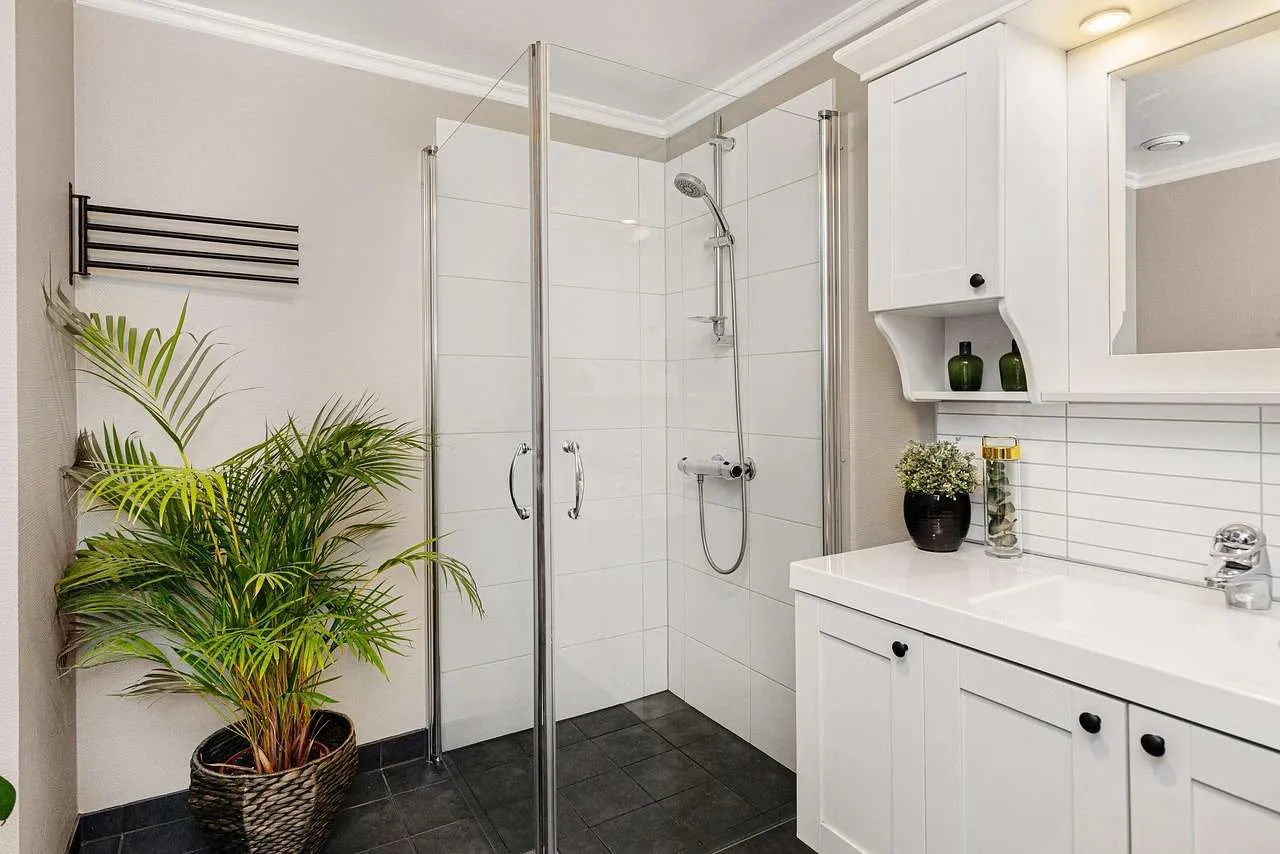
Color sets the mood and perceived space. Light hues like soft whites, warm beiges, or pale taupes brighten small bathrooms, while deeper tones can create drama in larger rooms. Pair neutral walls with accent towels, artwork, or a bold vanity to avoid overwhelming the space. Consider finishes that resist moisture and fingerprints: matte nickel or brushed brass for faucets, and porcelain or ceramic for tiles with subtle veining. Greige palettes are versatile and timeless, while cool blues bring spa like calm. For durability, choose finishes with wipe-clean surfaces to sustain the look.
Lighting and Mirrors
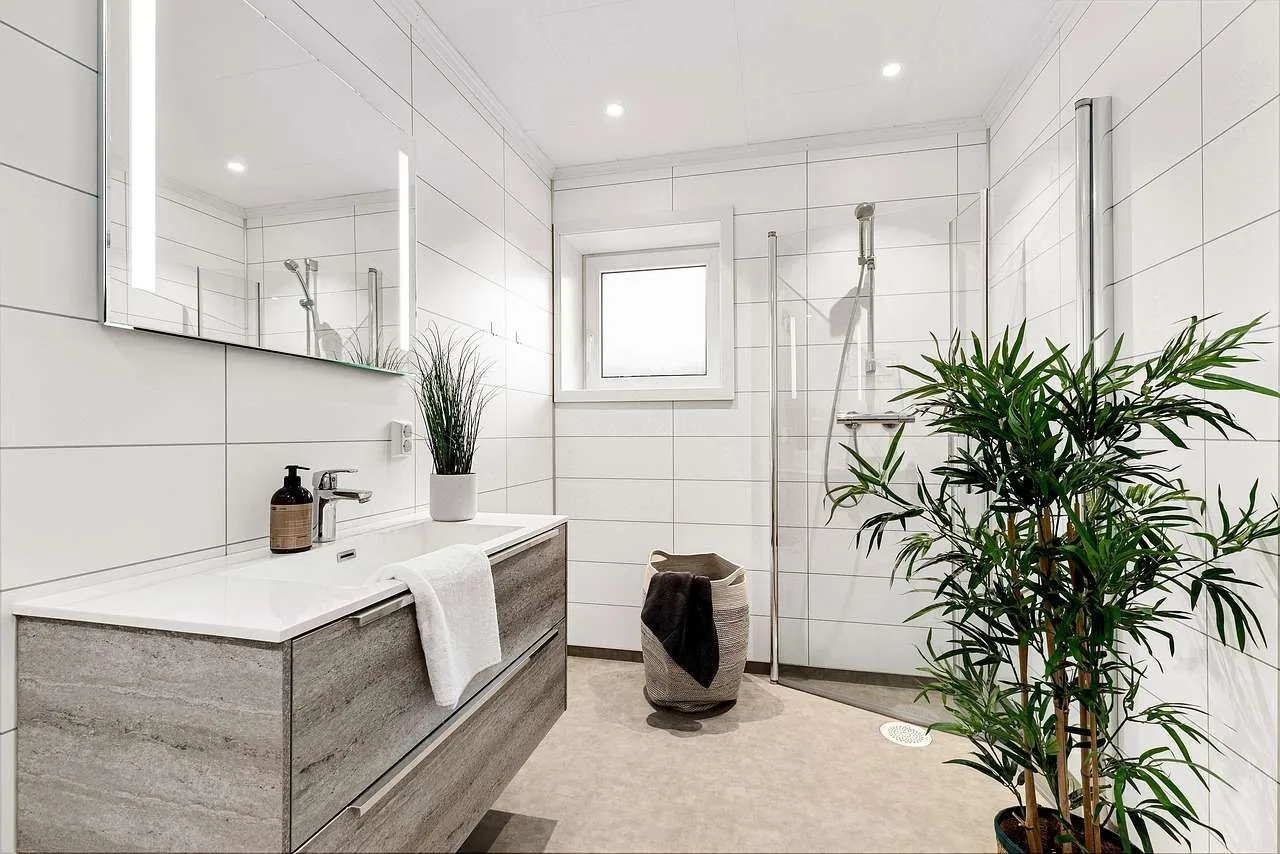
Layered lighting is essential in a bathroom. Combine task lighting at the vanity with ambient ceiling lights and a mirror that reflects natural daylight. Choose fixtures rated for damp locations and subtle radii to minimize glare. A backlit mirror or a medicine cabinet adds both function and a sense of depth. When possible, position lighting to minimize harsh shadows on the face, which enhances both makeup application and shaving. If natural light is limited, introduce a pale-reflective wall color and a strategically placed skylight or window if feasible.
Storage and Counter Space
Smart storage keeps counters clear and the space feels calmer. Use vertical solutions: tall cabinets, open shelving, and recessed niches in the shower. Choose vanity units with soft-close drawers and organizers to maximize every inch. Materials should resist humidity—laminate with sealed edges or moisture-resistant plywood for cabinetry. Countertops in quartz or solid surface are durable and easy to maintain. Add hooks and towel bars at reachable heights. A small stool or seating area can be helpful in larger bathrooms but should not obstruct traffic flow.
Materials and Durability
Durable materials reduce maintenance and protect your investment. Porcelain tile, porcelain enamel sinks, and solid-surface countertops stay clean with minimal effort. If you prefer natural stone, opt for sealed options that resist staining and etching. Floors should have slip resistance rated for wet environments. For showers, consider large-format tiles with simple grout lines to minimize cleaning. Finally, select hardware and fixtures from reputable brands that offer moisture warranties and easy replacement parts.
Trends in Bathroom Decor
Current trends emphasize texture, sustainability, and wellness-inspired designs. Think large-format tiles that reduce grout lines, warm metallic fixtures, matte finishes, and earthy textures like wood-look laminates or stone-look porcelains. Green design elements include recycled materials and water-saving fixtures. Statement mirrors, niche lighting, and accessible storage solutions blend style with everyday practicality. The goal is a timeless look with small, thoughtful updates that can be refreshed without a full renovation.
Budgeting and Planning
Plan before you buy. Start with a design baseline: choose a color palette and primary materials, then estimate hard costs (tiles, fixtures, cabinetry) and soft costs (installation, permits, consultation). Allow a contingency for price changes and unexpected discoveries. Prioritize elements that impact daily use—vanity, shower enclosure, and lighting—then layer in decor and accessories. Compare brands for durability and warranty, and consider LED lighting to save energy over time. A well-defined plan reduces missteps and keeps the project on track.
Style Guide: Popular Looks
| Style | Key Elements | Pros | Cons | Best For |
|---|---|---|---|---|
| Modern | Neutral palette, clean lines, frameless glass | Streamlined, easy to clean | Can feel cold if not balanced | Small spaces, contemporary homes |
| Classic | Soft whites, subway tile, timeless cabinetry | Timeless appeal, resale value | Less flexibility with current trends | Traditional homes |
| Minimal | Essential elements, monochrome | Calm, clutter-free | Requires discipline | Urban apartments |
| Rustic | Wood accents, stone, warm metals | Cozy character | Maintenance and moisture considerations | Lodge or country homes |
Maintenance Tips
Keep the look fresh with a simple routine: wipe fixtures daily, seal grout every 6 to 12 months, and check caulk lines for leaks. Use non-abrasive cleaners to protect finishes. Schedule annual checks on ventilation to prevent humidity buildup, which helps avoid mold and mildew. Replace worn-out seals promptly and re-caulk around tubs and showers as needed. Regular upkeep preserves value and reduces costly repairs.
Summary: A thoughtful bathroom decor plan combines color, lighting, storage, and durable materials to create a space that is beautiful, functional, and resilient over time.