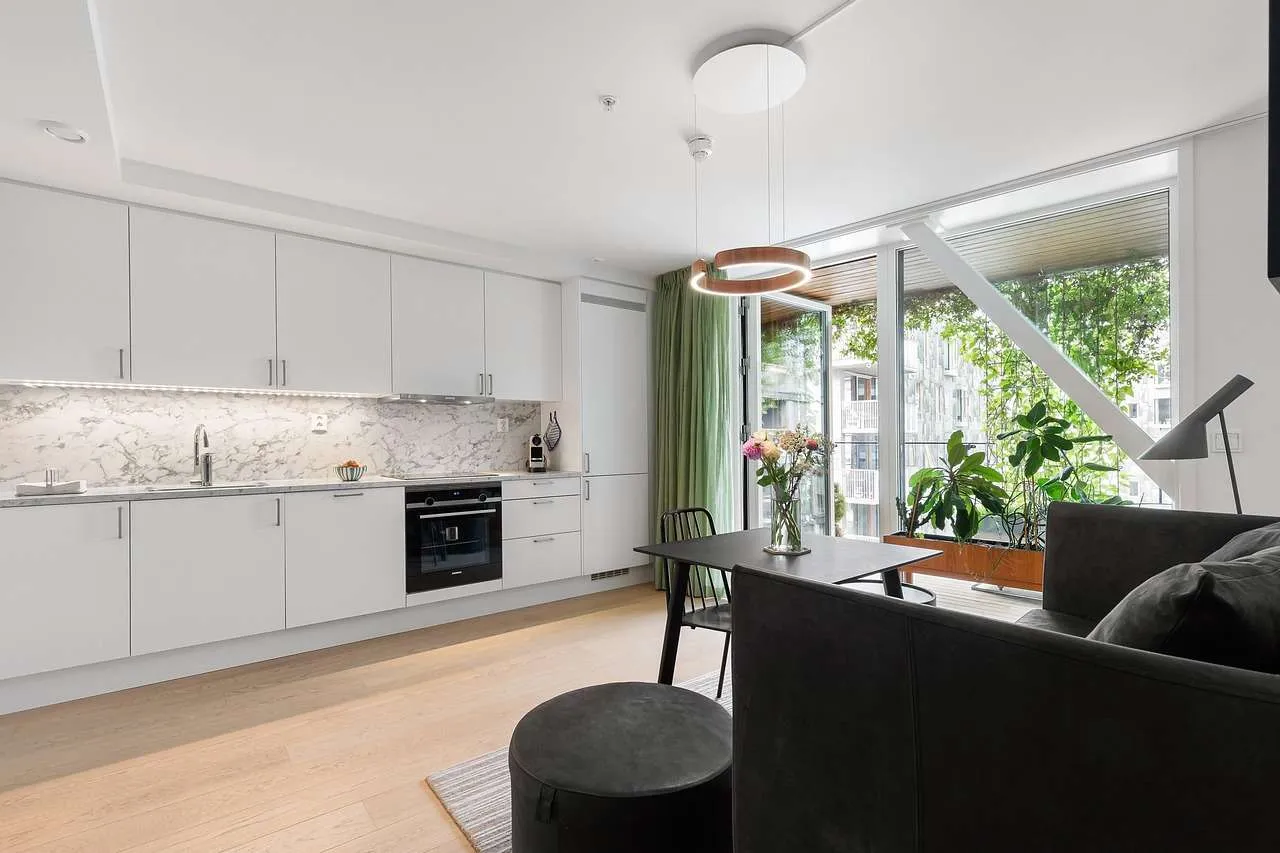
Home window tinting is more than aesthetics; it's a smart upgrade for comfort, protection, and efficiency. Today’s window films are designed to block solar heat, filter UV rays, and enhance privacy, without sacrificing natural light. This guide explains how home window tinting works, the different film types, installation options, and how to choose a pro for lasting results.
What is home window tinting?
Window films are applied to the interior surface of glass to modify light, heat, and security. Modern films use advanced polymers and ceramic particles to reject heat while remaining clear enough for daily use.
Key benefits
- Heat reduction: Blocks a large portion of solar energy to keep rooms cooler.
- UV protection: Filters up to 99% of UV radiation, protecting furniture and skin.
- Glare control: Reduces glare on screens, improving comfort for work and entertainment.
- Privacy and safety: Available in varying darkness; some films hold shattered glass together.
- Energy efficiency: Lower cooling demand can reduce HVAC energy costs over time.
Choosing the right film
Important factors include visible light transmission (VLT), color and reflectivity, and the film’s composition. Common categories are dyed, metalized, ceramic, carbon, and security films. Each offers different performance and aesthetics. Before purchasing, assess your goals: maximum heat rejection, privacy, or budget-friendly options.
| Film Type | Benefits | Drawbacks | Ideal Use | Approx. Cost (per sq ft) |
|---|---|---|---|---|
| Dyed | Budget-friendly; adds color; good glare reduction | Can fade over time; lower heat rejection | Cost-conscious projects; general purpose | $2–$4 |
| Metalized | Strong heat rejection; good UV | Can interfere with electronics; may mirror exterior | Energy-focused homes; clear view from inside | $3–$6 |
| Ceramic | Excellent heat rejection; non-metallic; no signal interference | Higher upfront cost | High-performance needs; homes with strong sun | $5–$8 |
| Carbon | Dark appearance; good heat rejection; durable | Moderate cost | Comfort and privacy with modern look | $4–$7 |
| Security/Safety | Shatter resistance improves safety | Limited heat control | Ground-floor windows; children; pets | $6–$10 |
Professional installation vs. DIY
For most homes, professional installation is recommended. Trained installers ensure clean glass surfaces, precise cutting, and proper adhesive curing to maximize film longevity. DIY kits exist but may risk air bubbles, peeling, or improper tinting, which could affect warranty and legality.
Legal and maintenance considerations
Window tinting laws vary by state and country. Check local regulations for front-facing windows and permitted darkness levels. Maintain the film with mild detergent and soft cloth; avoid abrasive cleaners or sharp tools that can scratch the surface. Routine inspections help catch edge lift or bubbling early.
Maintenance and longevity
Proper care protects investment. Expect films to last 10–15 years on most homes, with ceramic and carbon types often offering longer warranties. Address edge lift promptly, as moisture intrusion can undermine the seal. A reputable installer will offer warranty coverage and guidance on product care.
Summary: Home window tinting reduces heat, blocks UV, enhances privacy, and protects interiors. By selecting the right film type, considering VLT and warranty, and choosing a qualified installer, homeowners can enjoy year-round comfort and energy savings while complying with local rules.